

Intellectual Property Protection
Home > Practice Areas
Definition of Intellectual Property:
Intellectual Property refers to legal rights that protect creations of the human mind, whether literary, artistic, scientific, industrial, or commercial. It enables the owner to control how these creations are used and to prevent others from exploiting them without permission.
Main Types of Intellectual Property:
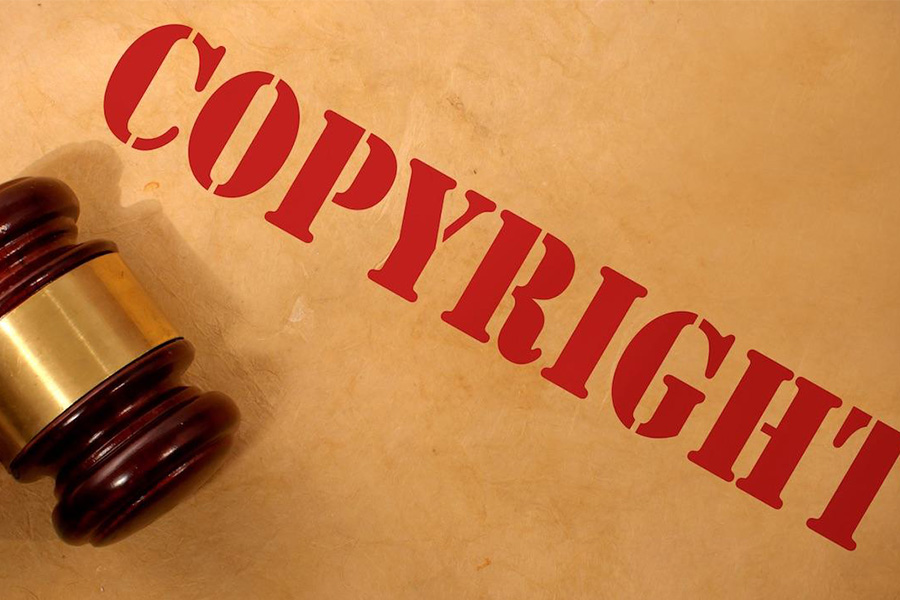
Copyright:
Protects books, articles, software, music, images, and artistic works.
Automatically granted upon creation in some jurisdictions—registration is not always required.
Typically lasts for the life of the author plus 50 or 70 years.
Patents:
Protect inventions (new products or industrially applicable processes).
Must be novel, inventive, and industrially useful.
Usually valid for 20 years from the filing date.
Trademarks:
Protect logos, names, and symbols that distinguish goods or services.
Can be renewed indefinitely as long as they are in use.
Industrial Designs:
Protect the appearance, ornamentation, or aesthetic design of products.
Do not protect functionality, only visual aspects.
Trade Secrets:
Include recipes, data, methods kept secret by companies (e.g., Coca-Cola recipe).
Protection lasts as long as the secret is maintained.
Objectives of Intellectual Property Protection:
Encourage innovation and creativity.
Safeguard intellectual investments.
Allow rights holders to license or restrict usage.
Promote knowledge-based economic development.
Methods of Protecting Intellectual Property:
| Type | Protection Method |
|---|---|
| Copyright | Deposit with copyright office (optional); automatic protection. |
| Patent | Registration with the patent office. |
| Trademark | Registration with relevant authorities (e.g., Ministry of Economy). |
| Industrial Design | Registration with design protection authority. |
| Trade Secret | Internal security and contractual confidentiality. |
Infringement of Intellectual Property:
Includes copying, commercial use, imitation, republication, and distribution without permission. Offenders may face civil and sometimes criminal liability depending on the type of right and jurisdiction.
Important International Agreements:
Berne Convention for the Protection of Literary and Artistic Works.
Paris Convention for the Protection of Industrial Property.
TRIPS Agreement (under the World Trade Organization).
Patent Cooperation Treaty (PCT) to facilitate international patent filings.
WIPO: World Intellectual Property Organization.
Practice Areas
Litigation in all types of cases, including civil, commercial, criminal, Sharia, and labor and other cases.
Providing legal advice to individuals and companies by written or verbal
Managing Legal Services for Clients’ Businesses
Drafting and Reviewing Contracts and Various Legal Documents
Attending meetings with clients to cover the legal aspects of negotiations between the parties.
Need Help
Ready to Get a Consultation For Your Case
Get Consultation